In a world that constantly expects women to stay strong, keep going, and carry emotional weight silently, one of the most healing experiences can be surprisingly simple: being heard.
One-to-one venting is not about complaining. It is not about being negative. It is about having a safe, non-judgmental space where a woman can express what she is truly feeling without interruption, dismissal, or pressure to “fix” everything immediately.
Sometimes, healing begins the moment someone says, “Tell me what’s on your mind. I’m here to listen.”
What Is One-to-One Venting?
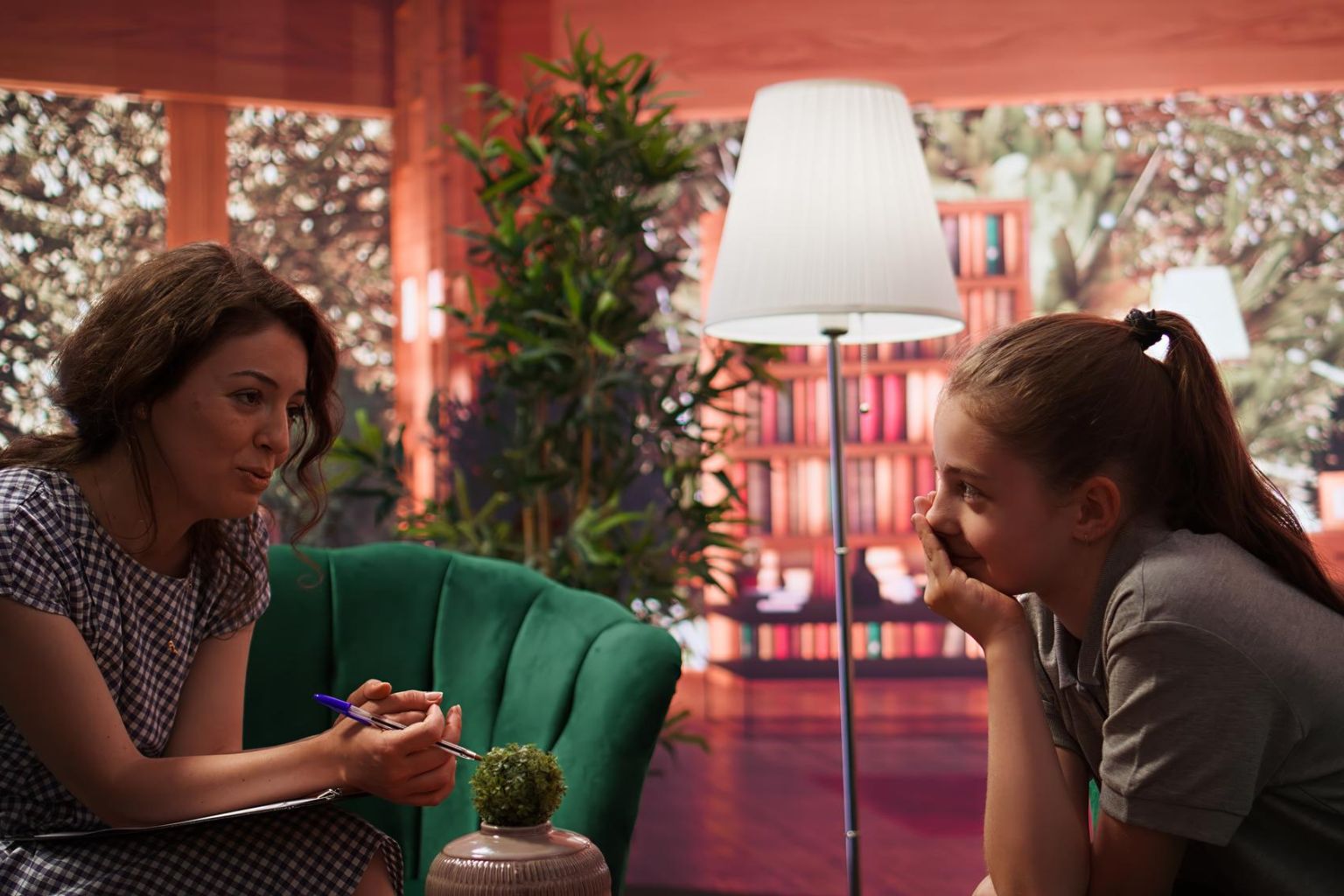
One-to-one venting is a private emotional release between two people, where one person speaks openly about her thoughts, frustrations, fears, overwhelm, sadness, or emotional exhaustion, and the other person listens with empathy and presence.
This kind of emotional expression can be deeply therapeutic. Many women spend weeks, months, or even years holding everything inside. They manage homes, relationships, responsibilities, careers, caregiving, and emotional labor, often without a place to safely unload what they are carrying.
A one-to-one venting space offers exactly that: a chance to pause, release, process, and breathe.
Why One-to-One Venting Matters So Much for Women
Women are often conditioned to support everyone else while suppressing their own needs. They may be excellent listeners for others, but rarely receive the same kind of attentive emotional care in return.
This is why one-to-one venting can feel so powerful. It gives a woman permission to:
- speak honestly
- feel without shame
- release emotional buildup
- feel validated
- reconnect with herself
When emotions remain suppressed for too long, they do not disappear. They often show up as stress, irritability, anxiety, fatigue, sleep disturbance, emotional burnout, and mental exhaustion. A trusted one-to-one venting space helps interrupt that pattern.
The Emotional Benefits of One-to-One Venting
1. It relieves emotional pressure
Holding emotions in can feel mentally heavy. Venting acts like an emotional release valve. The simple act of naming what hurts, what feels unfair, what feels exhausting, or what feels unresolved can create immediate relief.
Many women feel lighter after speaking openly because their mind is no longer carrying the full burden alone.
2. It reduces stress and brings calm
Emotional expression in a supportive setting can help calm the body’s stress response. When a woman feels safe enough to talk openly, her nervous system often begins to settle. Stress feels less trapped. Tension softens. The body moves away from overwhelm and toward regulation.
Venting Sessions for Women_ Ben…
This is one reason why talking to a trusted listener can feel physically relieving, not just emotionally comforting.
3. It improves mood
Bottled-up emotions often intensify when they remain unspoken. A one-to-one venting conversation helps release sadness, frustration, anger, confusion, or disappointment before these emotions build into deeper distress.
Many women notice that after venting, they feel calmer, clearer, less anxious, and more emotionally balanced.
Venting Sessions for Women_ Ben…
4. It helps prevent burnout
Emotional suppression is exhausting. When a woman constantly carries stress without expressing it, the risk of emotional fatigue and burnout increases. Regularly talking through what she is going through can reduce that internal load.
Venting does not solve every problem, but it can stop a woman from silently drowning in her own unspoken stress.
5. It helps process emotions instead of storing them
When feelings are expressed out loud, they often become easier to understand. Speaking about an experience helps a woman organize her thoughts, identify what she is actually feeling, and make sense of what has been weighing on her.
This emotional processing is important. Unprocessed feelings tend to stay stuck. Expressed feelings often start to move.
The Healing Power of Feeling Heard
Sometimes women do not need immediate advice. They do not need correction. They do not need someone to tell them they are overreacting.
They need to feel heard.
That experience alone can be deeply healing.
When a woman is listened to with empathy, she begins to feel:
- understood
- emotionally safe
- less alone
- respected in her experience
- reassured that her feelings are valid
Validation is powerful. It reminds a woman that what she feels matters. It can gently restore self-worth, especially during periods of stress, self-doubt, grief, emotional overload, or life transitions.
One-to-One Venting Can Strengthen Emotional Resilience
A woman who has space to speak openly is often better able to cope with life’s pressures. Emotional release improves clarity. It can help her step back from chaos, reflect more calmly, and return to her challenges with greater stability.
In this way, one-to-one venting does not make a woman weaker or dependent. It can actually support resilience by helping her regulate her emotions rather than suppress them.
Being heard helps her return to herself.
Venting Can Also Support Physical Well-Being
Emotional stress is not only mental. It affects the body too.
When stress remains unexpressed, it may contribute to physical symptoms such as fatigue, muscle tension, headaches, sleep issues, elevated stress burden, and general emotional wear and tear. The document notes that supportive emotional expression can help reduce stress physiology, including lowering tension and promoting calm.
Venting Sessions for Women_ Ben…
This means one-to-one venting can be seen not only as emotional care, but also as part of overall well-being.
Why Privacy Makes One-to-One Venting So Effective
For many women, privacy matters.
There are emotions that feel too personal, too raw, too layered, or too vulnerable to share in a larger setting. One-to-one venting offers intimacy and confidentiality. It allows the conversation to unfold gently, without comparison, interruption, or fear of being misunderstood in front of others.
This private setting can help a woman open up more honestly about:
- relationships
- marriage
- motherhood
- loneliness
- career stress
- grief
- emotional neglect
- identity struggles
- hormonal or health-related frustration
- inner conflict she has not voiced anywhere else
Sometimes the safest healing begins in a room with just one compassionate listener.
One-to-One Venting Is Not the Same as Rumination
Healthy venting is helpful. Endless rehashing without relief is not.
The document makes an important distinction: emotional expression is beneficial when it leads to release, clarity, or relief. But if someone keeps circling the same pain repeatedly without any sense of emotional movement, it can turn into rumination.
Venting Sessions for Women_ Ben…
That is why meaningful one-to-one venting should help a woman feel lighter, clearer, calmer, or more supported afterward, not more emotionally trapped.
When Women Regularly Have a Safe Space to Vent, They Often Experience:
- lower emotional overload
- better stress management
- improved sense of calm
- reduced anxiety and internal pressure
- greater emotional clarity
- stronger self-awareness
- a sense of being validated and understood
- relief from carrying everything alone
- improved emotional resilience over time
Every Woman Deserves a Space Where She Does Not Have to Pretend
Not every woman wants advice right away.
Not every woman wants to be told to “stay positive.”
Not every woman wants to be strong every minute of the day.
Sometimes she needs softness.
Sometimes she needs privacy.
Sometimes she needs release.
Sometimes she needs someone who can simply say,
“You can talk. I’m listening.”
That is the value of one-to-one venting. It creates a compassionate pause in a demanding world. A space where emotional truth is welcomed. A space where the burden becomes lighter. A space where healing can quietly begin.
Final Thought
One-to-one venting is not weakness. It is emotional care.
For women who are always holding everything together, being able to safely express their feelings can reduce stress, improve mood, support resilience, and restore emotional balance. It is a reminder that women do not always need to carry their pain silently. They deserve to be heard, supported, and emotionally held too.