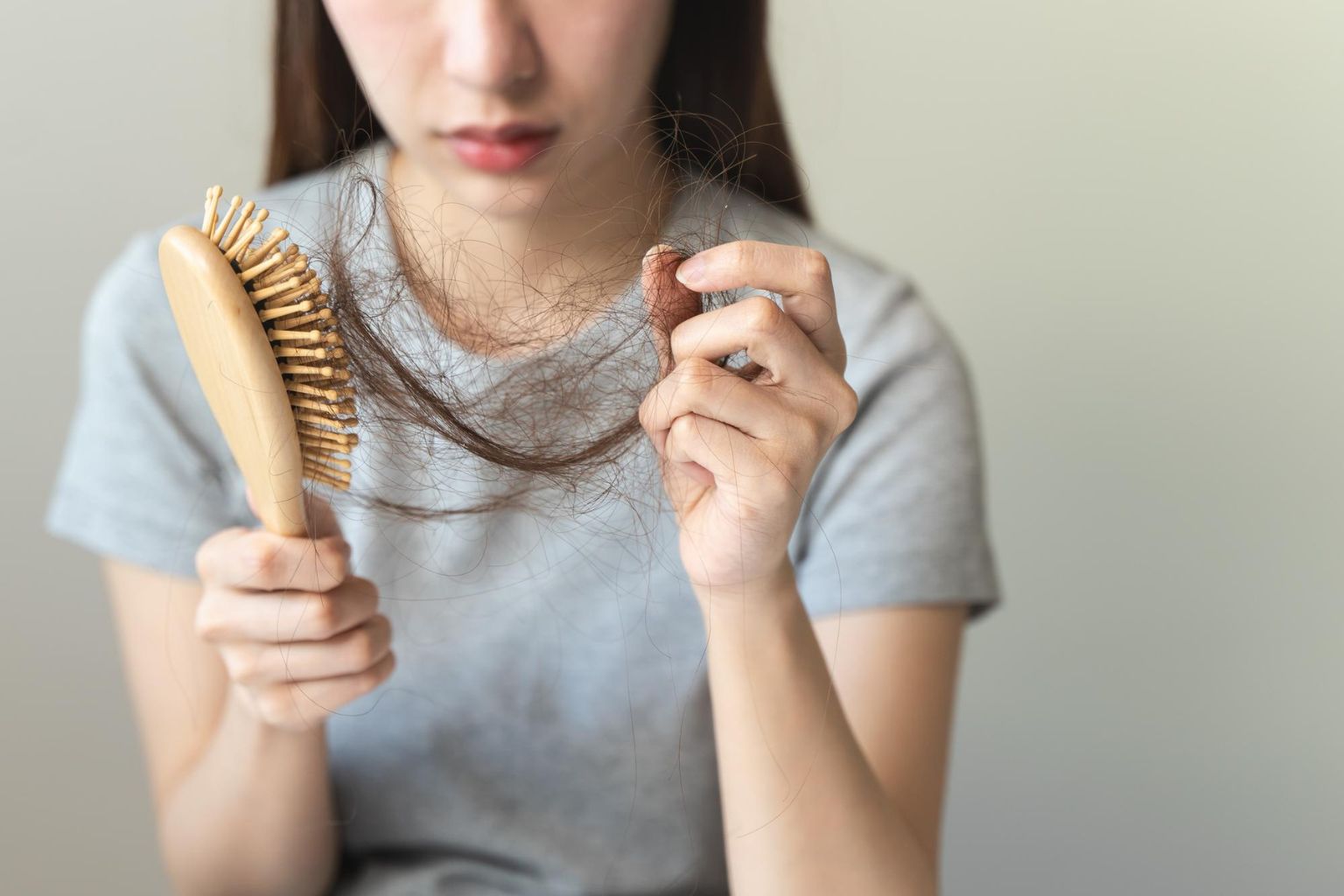
Hair loss can feel overwhelming, especially when the shedding seems sudden, persistent, or difficult to explain. One of the most common questions patients ask is: “Which blood tests should I get for hair loss?” The answer is not “every test for everyone.” In evidence-based clinical practice, blood tests for hair loss are usually selected based on your history, scalp findings, symptoms, diet, menstrual pattern, and overall health. That targeted approach helps identify common reversible causes of diffuse hair fall, especially telogen effluvium, while avoiding unnecessary investigations.
At our clinic, we believe hair loss evaluation should go beyond a superficial prescription. Persistent hair fall may be linked to anemia, low iron stores, thyroid imbalance, vitamin deficiencies, hormonal disturbances, or other internal factors. The right blood tests can help uncover what your hair is trying to tell you.
Why Blood Tests Matter in Hair Loss Evaluation
Diffuse shedding is often a sign that the hair cycle has been disrupted. In many patients, this happens after physical stress, illness, nutritional deficiency, hormonal imbalance, or thyroid dysfunction. Blood tests do not diagnose every type of hair loss on their own, but they are extremely useful for identifying treatable contributors. A proper hair loss workup combines clinical history, scalp examination, and selective lab testing.
Core Blood Tests for Hair Loss
These are the most commonly used and highest-yield blood tests in many patients with ongoing hair shedding.
1. CBC (Complete Blood Count)
A CBC test for hair loss helps screen for anemia and other hematologic clues that may contribute to fatigue, weakness, and excessive shedding. Iron deficiency and anemia can coexist, and a CBC often gives an important first clue that further iron testing is needed.
2. Iron Status: Serum Ferritin ± Iron Studies
Serum ferritin is one of the most useful blood tests for assessing iron stores. In clinical hair loss practice, ferritin is commonly checked in patients with diffuse shedding because low iron stores may contribute to hair fall even when full-blown anemia is not obvious. When needed, ferritin may be paired with serum iron, TIBC, and transferrin saturation for a clearer picture. Evidence across studies is mixed, so ferritin should always be interpreted in the context of symptoms, exam findings, and medical history.
3. Thyroid Function: TSH ± Free T4
Thyroid dysfunction is a well-recognized cause of diffuse hair shedding and may also affect hair texture, density, and overall scalp health. A TSH blood test is commonly used as a first-line screening test, and free T4 may be added when TSH is abnormal or when the clinical picture suggests thyroid imbalance.
4. 25-OH Vitamin D
Low vitamin D is frequently reported in patients with diffuse hair loss, and testing can help identify a correctable deficiency. Vitamin D does not explain every case of hair fall, but in patients with low levels, correcting deficiency may be an important part of overall hair and scalp support.
Common Add-On Tests for Hair Loss
These are not necessary for everyone, but may be appropriate depending on diet, symptoms, pattern of loss, or medical background.
5. Vitamin B12 ± Folate
A Vitamin B12 test for hair loss may be considered in patients with vegetarian or vegan diets, poor intake, fatigue, tingling, neuropathy, or long-standing shedding. Nutritional deficits can influence hair cycling, and B12 testing is especially useful when history suggests risk of deficiency.
6. Zinc (and Sometimes Selenium)
Micronutrients such as zinc are involved in normal follicle function. Testing is generally most useful when there is a reason to suspect deficiency, such as dietary restriction, malabsorption, chronic illness, or poor nutritional status. These are usually not routine tests for every patient, but they can be valuable in selected cases.
Hormonal Blood Tests for Hair Loss in Women
Hormonal testing should not be ordered routinely in every woman with hair loss. It is most useful when there are signs of hormonal imbalance.
7. Testosterone, DHEAS, SHBG, ± LH/FSH
If a woman has features suggestive of PCOS or hyperandrogenism such as irregular periods, acne, hirsutism, or rapid-onset patterned thinning tests like total testosterone, free testosterone, DHEAS, SHBG, and sometimes LH/FSH may help evaluate whether excess androgens are contributing to female pattern hair loss.
8. Prolactin
A prolactin test may be considered when hair loss is accompanied by menstrual irregularity, galactorrhea, infertility concerns, or other symptoms suggesting endocrine imbalance. This is usually a selective, symptom-guided test rather than a routine part of every hair loss workup.
Autoimmune and Infection-Related Tests
These tests are only used when history or examination suggests a specific concern.
9. ANA / Autoimmune Screen
An ANA or autoimmune screening test may be considered if there are systemic symptoms, inflammatory signs, or scalp findings that raise suspicion of autoimmune disease. These tests are not standard for all patients with diffuse shedding.
10. Syphilis Serology (VDRL/RPR)
In selected situations, VDRL or RPR testing may be advised if the history, risk factors, or scalp pattern suggest atypical diffuse hair loss where infectious causes need to be ruled out.
A Practical Starter Panel for Diffuse Hair Shedding
In many dermatology and hair loss settings, a practical starter panel for diffuse shedding or telogen effluvium often includes:
CBC + Ferritin (± iron studies) + TSH + 25-OH Vitamin D. This combination helps screen for some of the most common reversible contributors to ongoing hair fall.
Our Clinical Approach to Hair Loss Testing
At our clinic, we do not believe in a one-size-fits-all hair loss panel. We evaluate your case in detail your scalp condition, shedding pattern, diet, menstrual history, stress load, sleep, metabolic health, hormonal symptoms, and lifestyle triggers before deciding which tests are actually relevant for you.
This focused approach helps us:
- identify reversible causes of hair fall,
- avoid unnecessary investigations,
- understand whether the shedding is nutritional, hormonal, thyroid-related, or stress-related,
- and design a more personalized treatment plan.
When Should You Consider Blood Tests for Hair Loss?
You should consider a medical evaluation if you notice:
- persistent or excessive hair shedding,
- sudden diffuse thinning,
- widening of the hair part,
- hair loss after illness, stress, crash dieting, or weight loss,
- fatigue, weakness, irregular periods, acne, or symptoms of deficiency,
- or ongoing hair fall that is not improving.
Early evaluation matters. The sooner the underlying factor is identified, the better the chances of supporting healthier hair growth.
Book a Hair Loss Consultation
If you are struggling with hair fall, thinning, or unexplained shedding, a proper consultation can help uncover the root cause. At our clinic, we combine detailed history-taking, scalp assessment, evidence-based lab guidance, personalized treatment, scalp care advice, and diet support to help patients move toward healthier hair and scalp outcomes.
Hair loss is not always “just cosmetic.” Sometimes it is your body’s way of asking for attention.