Hair loss is often misunderstood as a concern that begins only in the 40s or 50s. In reality, this is far from true. In our clinical practice, most patients seeking treatment for hair loss are women in their 20s and 30s. These are women in the prime of their academic, professional, social, and personal lives yet many are silently dealing with distressing hair fall, reduced hair volume, and visible thinning.
For many women, hair is deeply connected to self-image, femininity, and confidence. So when hair begins to shed excessively or the scalp becomes more visible, the impact is not only physical but emotional too. Hair loss can affect how a woman feels about herself, how she presents herself socially, and even how confident she feels in professional and personal spaces.
Hair Loss in Women Begins Earlier Than Most People Think
A common belief is that hair loss only becomes a problem later in life. However, today, more and more younger women are experiencing noticeable hair fall much earlier. Two of the most common reasons we see are telogen effluvium and female pattern hair loss.
Telogen effluvium is often triggered by stress, illness, nutritional deficiencies, hormonal shifts, weight changes, or other internal imbalances. Female pattern hair loss, on the other hand, usually develops gradually and may present as a widening parting or reduced hair density rather than obvious bald patches.
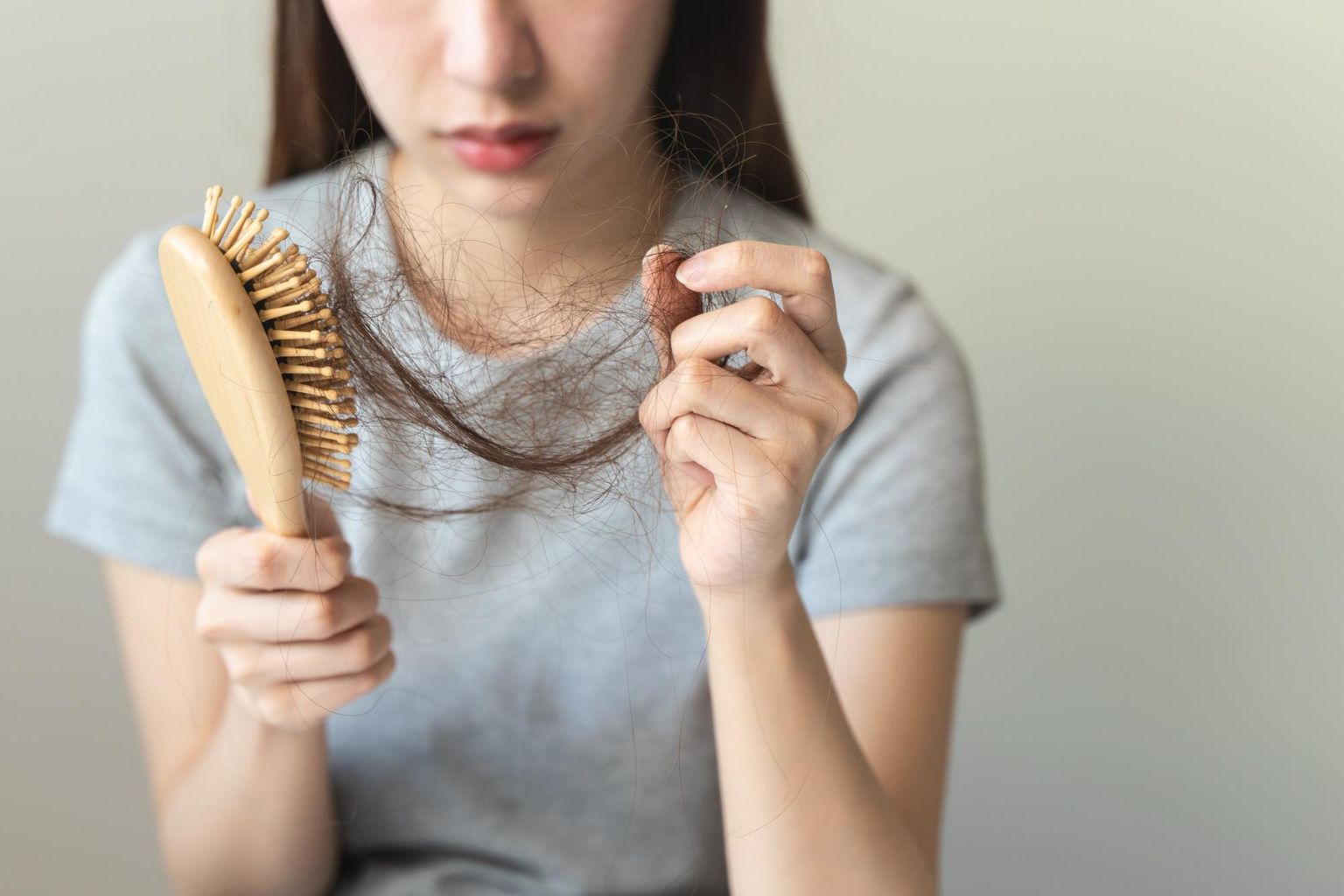
This is an important distinction because hair loss in women does not always look dramatic in the beginning. In many cases, it starts subtly with a thinner ponytail, more scalp visibility, excessive shedding while washing or combing, and a gradual reduction in overall volume.
Important Facts About Hair Loss in Indian Women
Hair loss in Indian patients, especially younger women, deserves much more attention than it currently receives.
Genetics do play a role, but family history is not the whole story. In fact, nearly half of female patients with hair loss do not report a known family history of the condition. This means that even if no one else in the family has struggled with hair thinning, a woman may still experience it.
Another major factor is that lifestyle, diet, and micronutrient status are highly important and modifiable contributors. Irregular eating habits, nutrient deficiencies, stress, lack of sleep, hormonal disturbances, harsh hair practices, and environmental exposures can all influence scalp and hair health.
For women, hair loss is rarely “just cosmetic.” It can deeply affect identity, self-esteem, and emotional well-being. Younger women especially may feel embarrassed, anxious, or helpless when they notice persistent hair fall or thinning. Many delay treatment because they assume it is temporary, normal, or untreatable when in fact, early evaluation can make a meaningful difference.
Why Hair Loss Should Never Be Ignored
Hair loss is often the body’s signal that something deeper needs attention. It may reflect nutritional gaps, hormonal imbalance, stress overload, scalp inflammation, poor haircare practices, or metabolic concerns. Ignoring these signs may allow the issue to worsen over time.
In women, the earliest visible signs are often:
- widening of the hair part
- reduced hair volume
- diffuse thinning
- excessive daily shedding
- weaker, finer strands
Unlike patchy baldness, these changes can be gradual and easy to dismiss initially. But over time, they begin to affect not only appearance, but confidence and quality of life.
Our Approach to Hair Loss Care
We believe hair loss treatment should never be limited to a surface-level solution. Every patient deserves a thoughtful, in-depth evaluation to understand the real cause behind the problem.
1. In-Depth Consultation
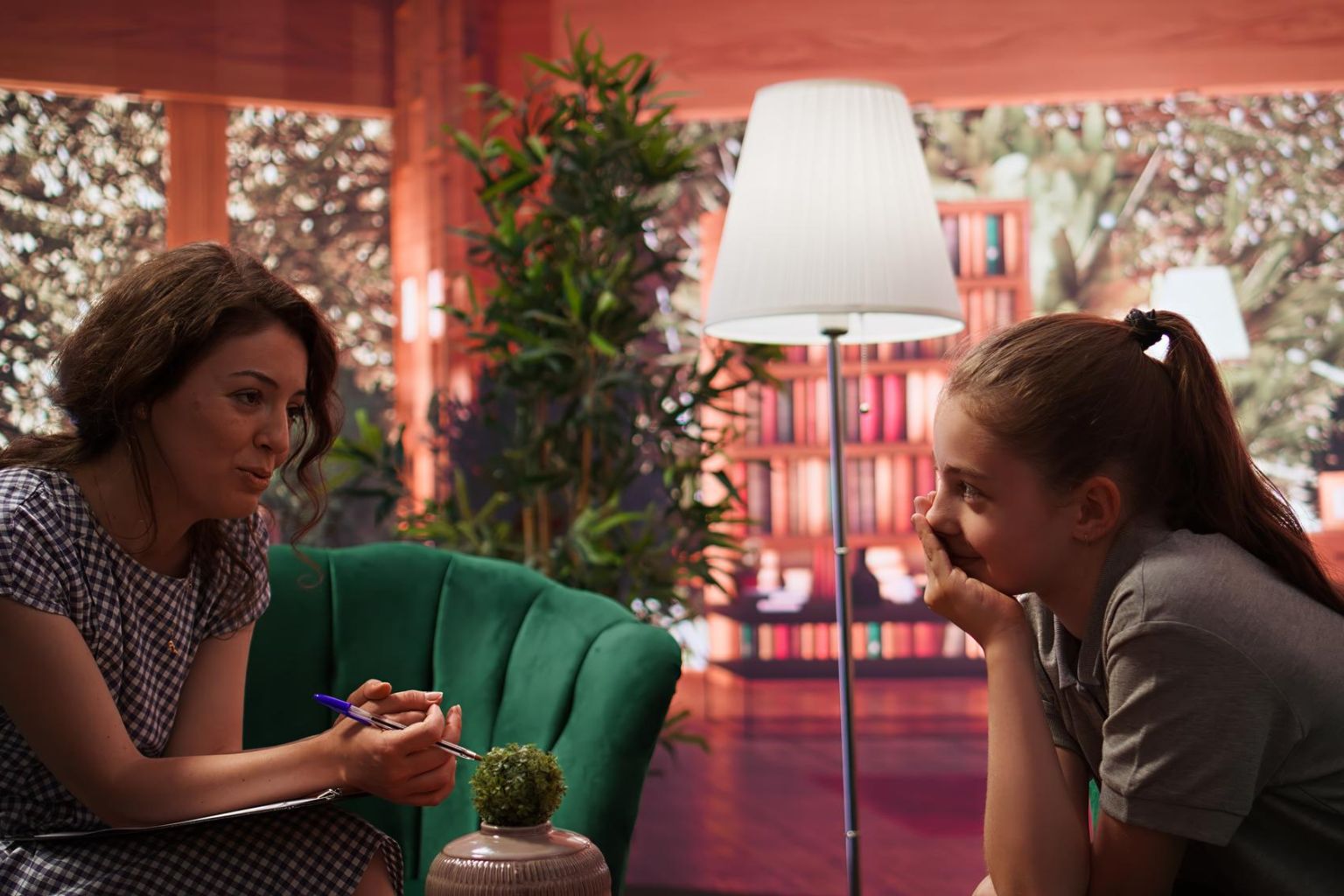
Our approach begins with a detailed consultation. We assess your overall health, metabolic health, hormonal health, scalp condition, daily grooming and haircare habits, as well as lifestyle and environmental exposures. This allows us to understand the underlying reason for your hair loss instead of simply addressing the symptom.
2. Targeted Homeopathic Treatment
We provide individualized homeopathic treatment aimed at reducing hair fall, strengthening the hair, and supporting healthier scalp conditions. The goal is to offer a more personalized approach based on the patient’s unique case history and contributing factors.
3. Scalp Care and Hair Care Education
Healthy hair begins with healthy scalp care and correct hair practices. We guide our patients on efficient scalp care routines and practical hair care habits that support stronger, healthier hair over time.
4. Diet Guidance and Lifestyle Measures
Hair health is closely linked to internal wellness. We provide diet guidance and recommend lifestyle measures that can support scalp and hair health, especially when nutritional imbalance, stress, or routine-related factors are contributing to the problem.
You Do Not Have to Ignore Hair Loss
If you are in your 20s or 30s and noticing excessive hair fall, thinning, or reduced hair volume, know that you are not alone and you do not have to wait for it to become severe before seeking help.
Hair loss in women is more common, more complex, and more emotionally challenging than many people realize. The good news is that with the right evaluation, timely care, and a holistic treatment approach, it is possible to address the contributing factors and support healthier hair from within.
Your hair is not just a part of your appearance it is often a part of your confidence, identity, and everyday self-expression. It deserves attention, care, and a treatment plan that looks beyond the obvious.